Published 05/31/26
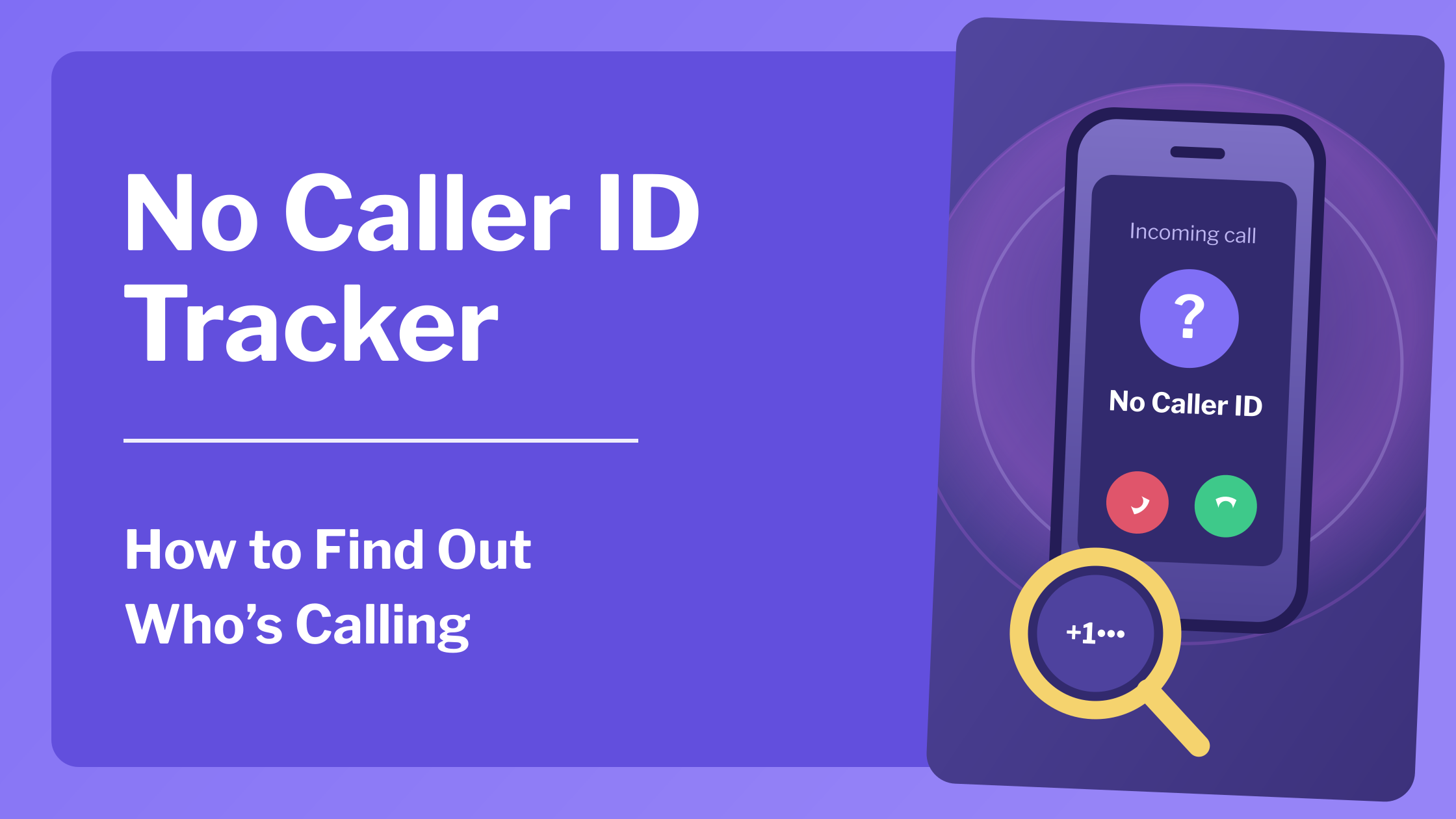
Quick answer: A no caller ID tracker is a tool that reveals the real number behind blocked, private, and "No Caller ID" calls. When a hidden call comes in, the tracker intercepts it, identifies the number, and shows you who's really calling — so you can decide whether to answer, ignore, or block. Apps like iCaughtYou do this automatically in the background.
What is a "No Caller ID" call?
A "No Caller ID" call is one where the caller has deliberately hidden their number before dialing. Instead of a name or digits, your screen shows "No Caller ID," "Unknown," "Private," or "Blocked." It isn't a glitch — it's a choice the caller made, either by dialing a prefix like *67, switching on a carrier setting, or using a VoIP service that strips their number.
If you want the full breakdown of why this happens, we covered it here: Why Do Some Calls Show Up as "No Caller ID"?
How does a no caller ID tracker work?
The mechanics are simpler than they sound:
A hidden call comes in. Your screen shows "No Caller ID" instead of a number.
The tracker intercepts it. Rather than the call hitting your phone blind, it's routed in a way that captures the originating number.
The real number is revealed. Within seconds, you see who's actually calling — and in many cases a name or location too.
You decide what to do. Answer it, let it ring, or block the number for good.
The reason this works at all comes down to how phone networks handle hidden numbers: the number is almost always still transmitted through the network — it's just suppressed from your display. A tracker reads what's already there. (The FCC explains the underlying caller ID rules in plain terms on its Caller ID Spoofing page.)
Can you really find out who's behind a hidden number?
Mostly, yes — but it's worth being honest about the limits, because no tracker can do everything.
Blocked / withheld numbers: Highly trackable. The number exists and was simply hidden from view.
Spoofed numbers: Harder. If a scammer fakes a different real number (like making it look like your bank), there's no single "true" number hiding underneath to reveal. The best defense here is recognizing the spoof — we explain how in Caller ID Spoofing Explained—and How to Spot It.
True "Unknown": If the network never received a number at all, there's nothing to surface.
We go deeper on this exact question in Can You Really Find Out Who's Behind a Hidden Number?
Why people use a no caller ID tracker
It usually isn't idle curiosity. The most common reasons:
Peace of mind. Unknown calls are a genuine source of stress for a lot of people. If that's you, you're not imagining it — here's why unknown calls trigger anxiety, and how to stop it.
Spotting scams early. Hidden numbers are a favorite tool of scammers. Knowing the source helps you screen out fraud before you pick up.
Documenting harassment. When the same hidden caller keeps coming back, a tracker turns "some unknown number" into an actual identity — which matters if you ever need to take action.
Not missing real calls. Sometimes a withheld number is a doctor's office, a delivery driver, or a recruiter. A tracker means you don't have to gamble.
How to start tracking No Caller ID calls
You don't need to change your number or buy new hardware. With iCaughtYou, the setup is quick:
Download the app and follow the guided setup.
Let it run in the background — no need to babysit it.
When a hidden call comes in, the number is revealed automatically.
Block, save, or ignore — your call.
You can start a free trial here and see it work on your very next hidden call.
The bottom line
A "No Caller ID" call doesn't have to be a black box. A no caller ID tracker reveals who's really on the other end, so the decision about whether to answer is yours — not the anonymous caller's. Whether it's a persistent unknown number or just one mysterious ring you can't stop thinking about, the uncertainty is the worst part. Removing it is the whole point.