Published 08/30/26
Scam baiting is just what it sounds like: people who deliberately engage scammers in order to waste their time or expose their operation. It started as a hobby, to make these fake tech support people crazy, but now it has become a genuine online phenomenon.
Creators that do this get millions of followers. They infiltrate live scam call centers and expose how they operate. Occasionally, they're successful in shutting them down entirely.
It's funny to watch. People love seeing the harassers finally getting harassed.
How did scambaiting become an actual thing?
Early scam beaters worked by just answering an email or call and dragging out the interaction as long as possible, just to waste the scammers' time. This only works on a live scammer, not a robocall.
Later, once technology became more advanced, the scambaiter pretends to comply with the scammer's request. In truth, he hacks himself into the scammers' systems instead. Now he can do a lot more damage…
For example, when a scammer requests to install remote access software so they can "fix your computer", a skilled scambaiter can flip it. While he pretends to be a confused victim, he gains access to see the scammer's screen, sometimes even their whole office.
From there, some scambaiters have been able to access the scammers' bank accounts or their target list of who they are planning to call next, sometimes running government impersonation scripts too. Others have found and warned real victims who were in scams. A few famous ones have handed evidence to journalists and law enforcement, eventually leading to call centers being shut down in India and elsewhere.
This is when scambaiting became some entertaining thing to watch rather than just a simple prank.
Is any of this legal?
It is kinda grey… and honest scambaiters will be upfront about it.
Wasting a scammer's time on the phone is definitely fine; you're just talking to someone who called you. Accessing someone else's computer systems enters more gray or legal territory, which depends on the country and exactly what was done with the access. Most prominent scambaiters work with cybersecurity researchers. When they find anything out, they pass it on to the authorities. People who are just looking for chaos, would do it for fun and then be their own judge and jury when it comes to something serious. That's not necessarily the legal path.
Why do people find this so satisfying to watch?
The way most people deal with scams is just hanging up. That's fine, but it doesn't make you feel good about what just happened. When these people then watch the scammers getting bullied, it fills the need for "getting back at them."
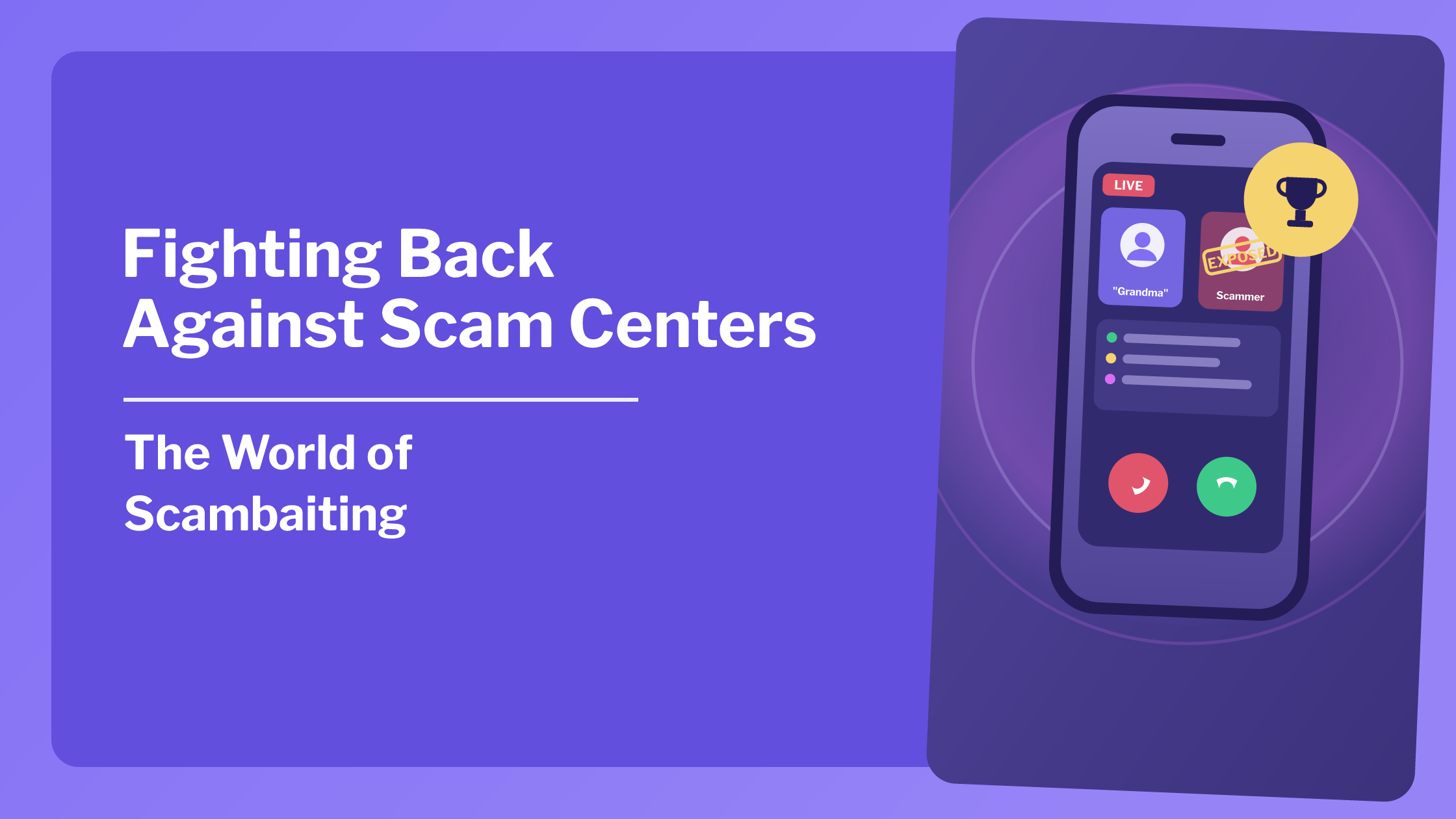
It's just so good, the moment scammers realize that the "grandmother" they've been deceiving for the past forty minutes has actually been recording the whole thing and knows exactly what they're out to get. It's funny, a bit heroic, and relatable in the way that everyone wants to get back at these people.
Does scambaiting actually stop scams, or is it just entertainment?
Both.
The entertainment is for sure real, so that's good. People need to be able to laugh about these topics once in a while.
But there's documented impact too: several large scam call centers have been shut down following investigations that started as scambaiting content. creators have intercepted and returned money to real victims! You can also report scams to the FTC.
It's not a systemic fix for the scam call industry, which is enormous and only working to get bigger. It does help, though, when it's done by regular people with simply a lot of patience.
Should you try scambaiting yourself?
Most experienced scambaiters do not recommend it for the average person to try. The reason is that people who do this well are successful because they have serious technical knowledge. They know a lot about how to protect their identity and not, by mistake, give the scammer any real info. If you do it wrong, you would just be confirming your number as active, and then they just call again. That's the opposite of what we want here…
But if you still want to get the upper hand on these calls, there's a lower-risk version to get that tail ink. It's using iCaughtYou to know who's calling. This is an easy fix for something that scam baiters spend hours working towards manually, and you don't have to risk your identity.
Learn what to look out for
If you are interested in watching some scambaiting content, please go ahead. It can actually be helpful, a fun way to learn about the warning signs, and just in general how scams work, so you can protect yourself better. Already picked up? Here's what to do.
Bottom line
A whole community of ordinary people has turned wasting scammers' time into genuine investigative work. Sometimes it's just funny, and sometimes it can really be consequential. It's a good reminder for frustrated victims that these people can be outsmarted. It's not something unstoppable.